Signs of Dehydration in Adults: What to Look For and What to Do
Learn the early signs of dehydration in adults, from thirst and dark urine to dizziness, which symptoms need urgent care, and how to rehydrate safely.

Dehydration happens when your body loses more fluid than it takes in. Mild dehydration is common, especially in hot weather, during exercise or when you are ill, and it is usually easy to fix by drinking more. More severe dehydration can be serious and needs medical help.
This guide lists the early signs, the symptoms that need urgent attention, who is most at risk, and simple ways to prevent it. It is based on public guidance from the NHS and Ireland's HSE and is not a substitute for medical advice.
Early Signs of Dehydration
According to NHS and HSE guidance, the most common early signs in adults are:
- Feeling thirsty.
- Dark yellow, strong-smelling urine.
- Peeing less often than usual; the HSE uses fewer than four times a day as a guide.
- Feeling dizzy or lightheaded.
- Feeling tired.
- A dry mouth, lips and tongue, or sunken eyes.
Urine colour is one of the easiest things to check. Pale straw-coloured urine usually means you are drinking enough; darker urine is a sign to drink more. Urine colour and bathroom visits are rough guides, not a diagnosis: some vitamins, foods and medicines change urine colour, and normal frequency varies from person to person, so look at the overall pattern alongside how you feel.
Symptoms That Need Urgent Help
Get urgent medical help, or call your local emergency number, if someone with signs of dehydration:
- Is confused or disorientated.
- Feels very dizzy, or dizziness does not go away when they stand.
- Has not peed all day.
- Is unusually drowsy or hard to wake.
- Has a fast heartbeat, fits or faints.
- Has had vomiting or diarrhoea for more than 24 hours and cannot keep fluids down.
Babies, young children and older adults can become dehydrated quickly and may not show thirst clearly. In babies, the NHS lists signs such as a sunken soft spot on the head, few or no tears when crying, and fewer wet nappies. If you are worried about a baby, child or older adult, contact a doctor or your local health advice line sooner rather than later.
Common Causes
Dehydration usually comes from losing extra fluid or not drinking enough to keep up.
- Hot weather and heat waves.
- Exercise, especially long sessions or training in the heat.
- Vomiting, diarrhoea or a high temperature.
- Drinking a lot of alcohol.
- Some medicines, such as diuretics, and conditions such as diabetes.
- Simply forgetting to drink during a busy day.
How to Rehydrate
For mild dehydration, drinking more fluids is usually enough. Sip water steadily rather than drinking a large amount at once, especially if you feel sick. If you have been vomiting or have diarrhoea, a pharmacist can recommend oral rehydration solution sachets, which replace salts and sugars as well as water.
If symptoms do not improve after drinking more, or you cannot keep fluids down, contact a doctor or pharmacist. If a doctor has told you to limit fluids, for example because of a heart or kidney condition, follow their advice rather than general drinking tips.
How to Prevent It
Most everyday dehydration is about routine. Drink regularly through the day rather than waiting until you are very thirsty, and drink more in hot weather, when exercising and when you are unwell. Keep a bottle within reach at work, and check the colour of your urine now and then.
If you often forget, reminders help. Water Reminder - DropWise sends reminders during the hours you choose, can adjust your suggested goal to local weather, and logs water and other drinks in one daily total. It supports everyday habits and is not a medical device.
Check Yourself for Dehydration
- 1
Notice thirst
If you feel thirsty, drink now rather than later.
- 2
Check urine colour
Aim for pale straw-coloured urine; dark yellow means drink more.
- 3
Count bathroom visits
Peeing fewer than about four times a day can be a sign of dehydration.
- 4
Watch for red flags
Confusion, severe dizziness or no urine all day need urgent medical help.

Build a Steady Drinking Habit
Water Reminder - DropWise reminds you to drink during the hours you choose, adjusts suggested goals to the weather and tracks water and other drinks in one place.

Frequently asked questions
What are the first signs of dehydration?▼
Thirst, dark yellow and strong-smelling urine, peeing less often than usual, feeling dizzy or tired, and a dry mouth, lips and eyes.
What colour is urine when you are dehydrated?▼
Dark yellow or amber, often with a strong smell. Pale straw-coloured urine usually means you are drinking enough.
How can I rehydrate quickly?▼
Sip water steadily. After vomiting or diarrhoea, oral rehydration solution from a pharmacy helps replace lost salts. Get medical help if you cannot keep fluids down.
When is dehydration an emergency?▼
Seek urgent help for confusion, severe or persistent dizziness, no urine all day, fainting, or vomiting or diarrhoea lasting more than 24 hours.
Can a water reminder app prevent dehydration?▼
Reminders can help you drink regularly, which helps with everyday mild dehydration caused by forgetting to drink. They cannot detect or treat dehydration and do not replace medical advice if you have symptoms or a health condition.
Sources
Related guides

· 9 min read
How Much Water Should You Drink in Hot Weather?
Hot weather raises fluid needs, but there is no single liter target for everyone. Build a safer hydration plan around heat, activity, sweat, health and warning signs.
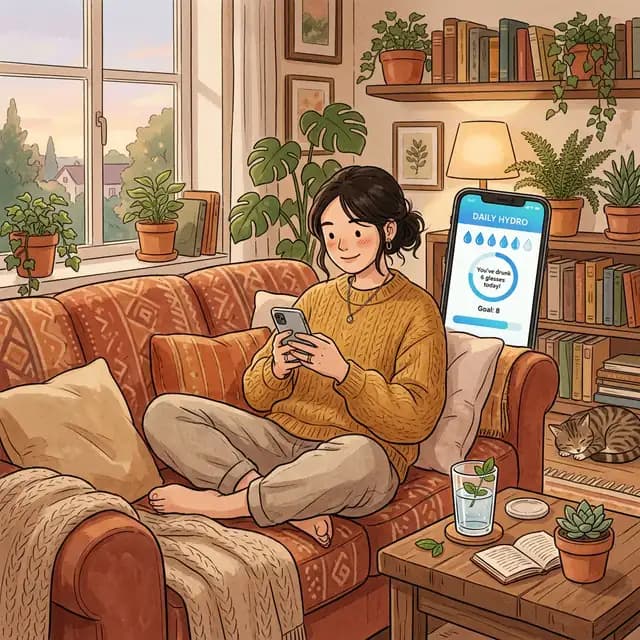
· 6 min read
Daily Hydration: How to Build a Consistent Drinking Routine
Build a sustainable daily hydration routine without complicated rules. Learn practical habits to drink water consistently throughout your day.

· 9 min read
Does Coffee Count as Water? What the Research Says
Does coffee count toward your daily water intake? See what studies say about caffeine and hydration, how much is too much, and how to log it.
Ready when you are
Download DropWise for iPhone
Track hydration more easily with reminders, Apple Health sync, and a privacy-first flow.
By using DropWise, you agree to our Terms of Use and Privacy Policy.