How Much Water Should You Drink in Hot Weather? A Practical Guide
Hot weather raises fluid needs, but there is no single liter target for everyone. Build a safer hydration plan around heat, activity, sweat, health and warning signs.
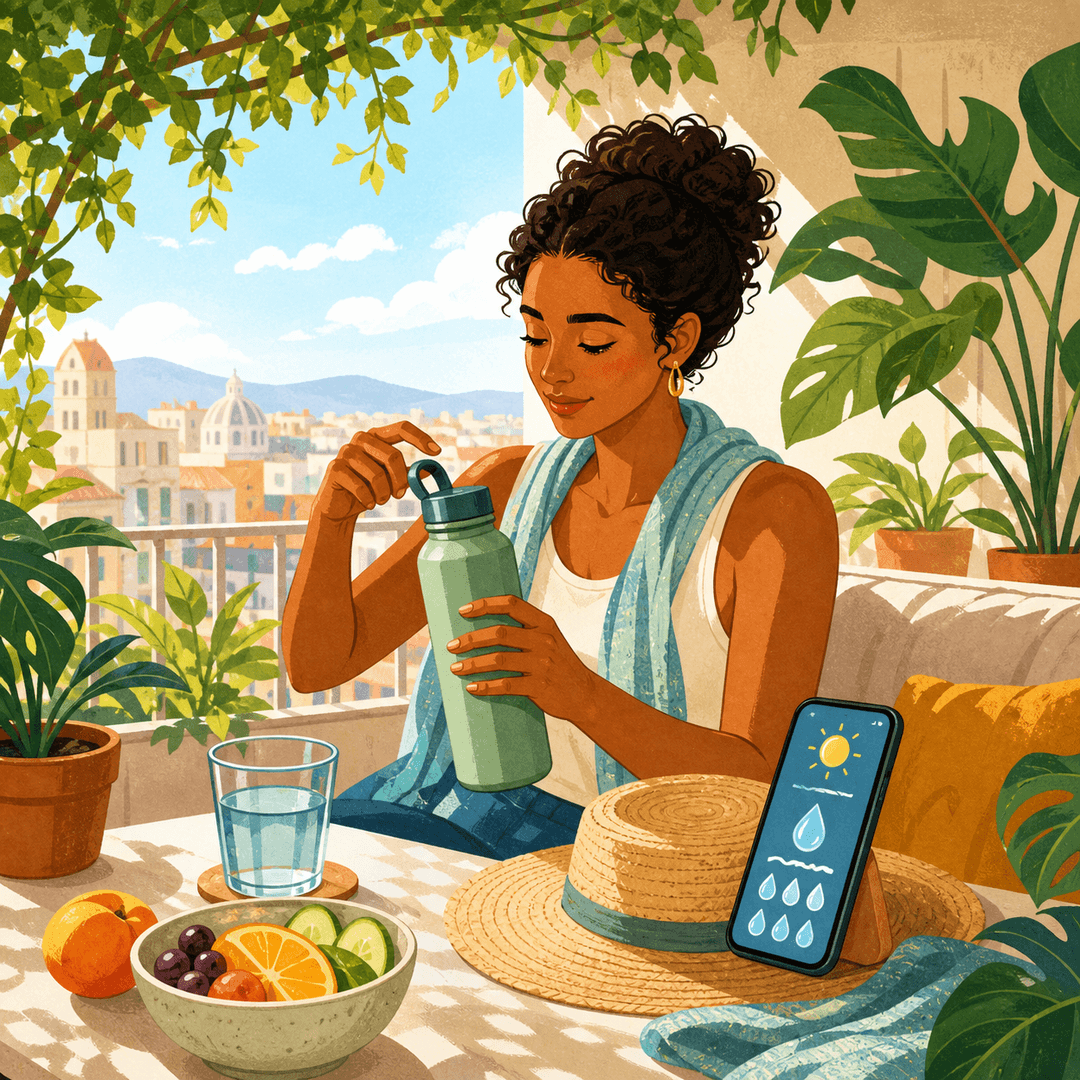
Heat changes hydration because sweat removes water and electrolytes. How much you need depends on temperature, humidity, direct sun, activity, clothing, body size, acclimatization, diet, pregnancy, health conditions and medicines. A single daily liter target cannot represent all of those variables.
For ordinary daily life, drink regularly, use meals and thirst as signals, and increase access to fluids when the day gets hotter or more active. Occupational heat guidance is more specific because sustained work creates much greater risk.
Why Your Usual Water Goal May Be Too Low
Sweat helps cool the body, but the rate can vary dramatically. Humidity slows evaporation, direct sun increases heat load, and exercise or physical work produces additional internal heat. New exposure also matters because acclimatization develops gradually.
Start the day normally hydrated, carry accessible water and plan shade or cooling breaks. People with heart, kidney or endocrine conditions—or medicines that alter fluid balance—should ask a clinician for individualized advice.
What Official Heat-Work Guidance Says
For moderate activity in heat lasting less than two hours, CDC/NIOSH workplace guidance recommends about one cup (8 oz/240 mL) every 15–20 minutes. This is occupational guidance for active heat exposure, not a prescription for everyone sitting indoors.
NIOSH also cautions that fluid intake generally should not exceed six cups per hour. Prolonged heavy sweating may require balanced electrolytes along with regular meals. More is not always safer; excessive plain water can also be harmful.
Water, Electrolytes and Everyday Food
For most short, ordinary hot-weather activities, water plus normal meals is usually a practical starting point. When sweating continues for several hours, balanced electrolyte drinks may help replace losses. Avoid relying on alcohol, and be cautious with very sugary or highly caffeinated drinks during prolonged heat.
Do not use salt tablets unless a qualified clinician specifically advises them. Food, fluid and recovery should be considered together.
Use Reminders as a Routine, Not a Diagnosis
Water Reminder DropWise can adapt a daily goal using local weather and activity context, send flexible reminders, and keep intake aligned across iPhone, Apple Watch and Apple Health. Logging at the moment you drink is more useful than reconstructing the day at night.
The app cannot measure sweat loss, diagnose dehydration or replace medical judgment. Adjust reminders to your schedule and use them as prompts to pause, drink and reassess how you feel.
Know the Warning Signs of Heat Illness
Heavy sweating, weakness, headache, nausea, dizziness, cramps or unusual fatigue can signal heat exhaustion. Stop activity, move to a cool place and seek appropriate help. Confusion, loss of coordination, fainting, seizures or very high body temperature can indicate heat stroke and require emergency medical assistance.
Do not wait for an app notification when someone appears seriously unwell. Cooling and emergency response take priority.
Build a Safer Hot-Weather Hydration Routine
- 1
Check the conditions
Consider temperature, humidity, sun, activity, clothing and how long you will be exposed.
- 2
Make water easy to reach
Carry cool potable water and plan regular shade or cooling breaks before you start.
- 3
Sip and log regularly
Use small, repeated drinks during active heat exposure rather than a large amount at the end.
- 4
Respond to symptoms
Stop, cool down and seek medical help when heat-illness warning signs appear.
Make Hot-Day Hydration Easier to Remember
Water Reminder DropWise combines weather-aware goals, flexible reminders, Apple Watch logging and Apple Health sync. Use it as a routine aid—not as a medical device.

Frequently asked questions
How many liters of water should I drink in hot weather?▼
There is no safe universal number. Needs vary with heat, activity, sweat, diet, health and medicines. Occupational guidance applies only to its stated work conditions.
Should I drink electrolytes in a heatwave?▼
Water and normal meals may be enough for short everyday exposure. Balanced electrolytes can be useful during several hours of heavy sweating.
Can I drink too much water?▼
Yes. Excessive intake can be dangerous. NIOSH workplace guidance says fluid generally should not exceed six cups per hour.
Is thirst enough in hot weather?▼
Thirst is useful, but during sustained activity it can help to make water accessible and drink small amounts regularly before a large deficit develops.
Can DropWise tell if I am dehydrated?▼
No. It tracks logged intake and supports reminders; it does not diagnose dehydration or heat illness.
Sources
Related guides
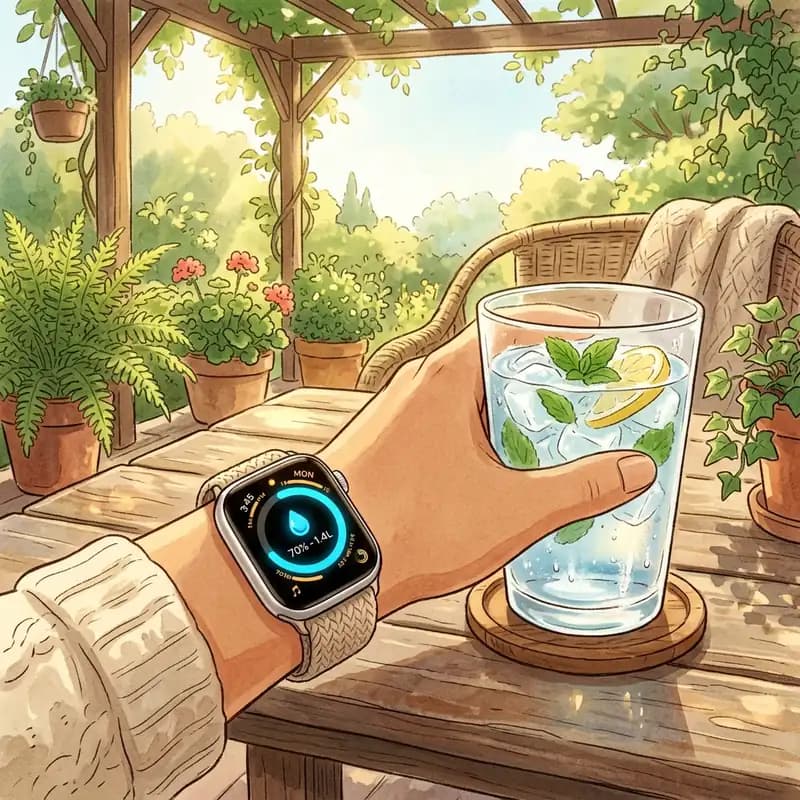
· 6 min read
The Best Way to Use Apple Watch as a Water Reminder
How to turn Apple Watch into a real hydration coach: one-tap logging from your wrist, activity-based goals, and a watch face complication that shows your progress.

· 7 min read
How Many Liters of Water Should I Drink Per Day? A Personalized Calculation Guide
Calculate your exact daily water needs based on weight, activity, and climate. Move beyond the '8 glasses' rule with science-backed hydration targets.

· 6 min read
Daily Hydration: How to Build a Consistent Drinking Routine
Build a sustainable daily hydration routine without complicated rules. Learn practical habits to drink water consistently throughout your day.
Ready when you are
Download DropWise for iPhone
Track hydration more easily with reminders, Apple Health sync, and a privacy-first flow.
By using DropWise, you agree to our Terms of Use and Privacy Policy.