Investigating the Associations Between Hydration and Exercise Performance
A practical, evidence-led guide to how hydration status influences endurance, heat tolerance, repeat effort quality, and exercise performance.


Hydration changes performance before athletes notice a real problem
The link between hydration and exercise performance is not just about dramatic dehydration at the end of a marathon. Research shows that smaller fluid deficits can reduce endurance, raise perceived exertion, and make the same workout feel harder than it should. In practice, that means hydration is part of performance management, not just a recovery habit.
The most useful question is not whether water matters. It does. The better question is how hydration affects different kinds of exercise, when performance begins to slip, and how to build a plan that supports training without pushing into overdrinking. That is exactly what the evidence helps clarify.
Key takeaways
- ✦Endurance performance is the most consistently affected when body water drops.
- ✦Heat and humidity increase the performance cost of dehydration.
- ✦Higher heart rate and higher perceived effort often appear before a clear crash.
- ✦Strength and power are less consistently affected, but repeated efforts can still suffer.
- ✦A personalized hydration plan works better than a fixed "8 glasses" mindset.
- ✦Overhydration can also be risky during long events if sodium losses are ignored.
1. What the evidence means by hydration status
In sports science, hydration status usually refers to the balance between fluid intake and fluid losses through sweat, breathing, urine, and the environment. A small body-mass drop during training often signals fluid loss, and research commonly uses a 1 to 2 percent reduction in body mass as the range where meaningful effects begin to appear.
That threshold matters because many people can reach it faster than they expect. A warm run, a crowded gym, heavy clothing, or simply starting a workout slightly underhydrated can move an athlete into the zone where exercise feels harder even if pace or power output has not changed yet.

2. Endurance exercise is where hydration matters most
The clearest evidence appears in endurance activity. Cycling, running, long conditioning sessions, and field sports in warm environments tend to show the most reliable declines when dehydration accumulates. Meta-analyses and reviews consistently report that fluid restriction can reduce time-trial performance and increase cardiovascular strain, especially as exercise duration increases.
One reason is simple: endurance performance depends on sustained blood flow, thermoregulation, and steady energy delivery. When plasma volume falls, heart rate rises to maintain output, skin blood flow competes with working muscle, and perceived effort climbs. The athlete may still finish the session, but it costs more.
3. Heat multiplies the penalty
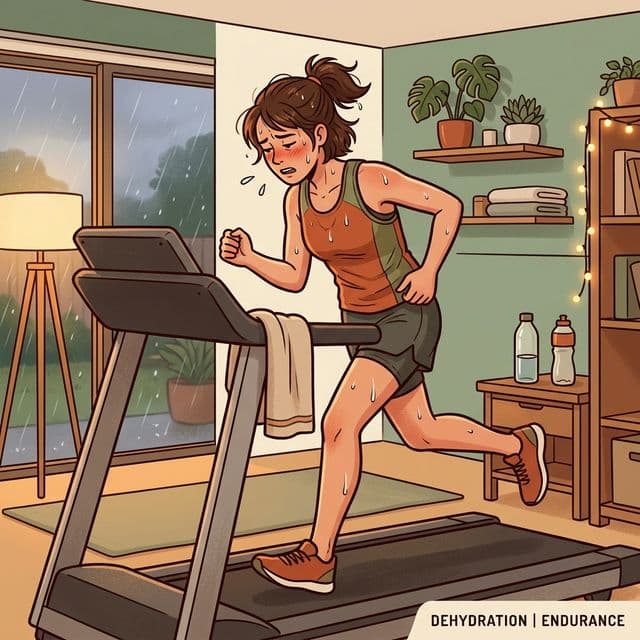
Hydration becomes even more important in hot or humid conditions because sweat losses accelerate while cooling demand rises. Dehydration in the heat is not just additive; it compounds physiological strain. Core temperature climbs faster, heart rate drifts upward, and the same workout intensity becomes less sustainable.
This is why athletes often report that a familiar session suddenly feels unusually brutal on hot days. The environment changed the fluid equation. A hydration plan that works indoors in mild weather may be too conservative outside, during summer training blocks, or in poorly ventilated facilities.
4. Strength and power outcomes are more mixed, but not irrelevant
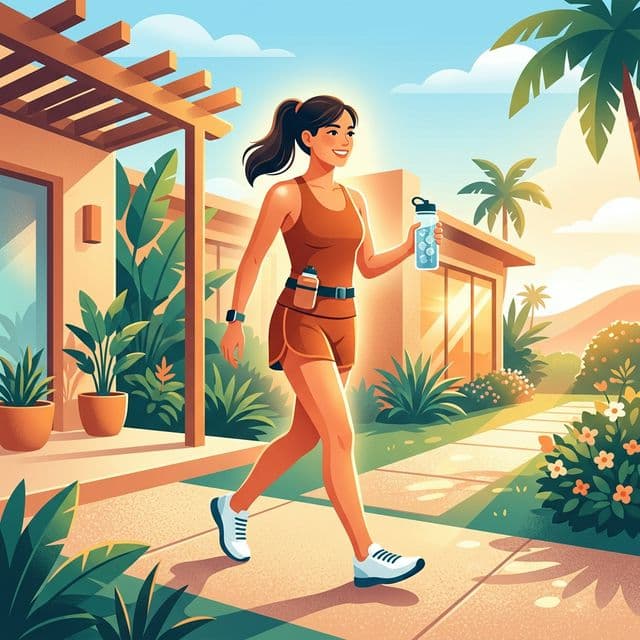
Research on maximal strength, short sprints, and explosive power is more mixed than endurance research. Some studies show smaller direct effects on one-off maximal efforts, while others find declines in repeated sprint ability, training quality, technical execution, or total volume completed when dehydration builds across a session.
That distinction matters for real training. Even if one heavy lift survives a mild fluid deficit, the rest of the session may not. Lower training quality, slower recovery between sets, and reduced repeatability can still influence adaptation over weeks, which is where hydration becomes a programming issue rather than a single-rep issue.
5. Pre-exercise hydration and hyperhydration are not the same thing
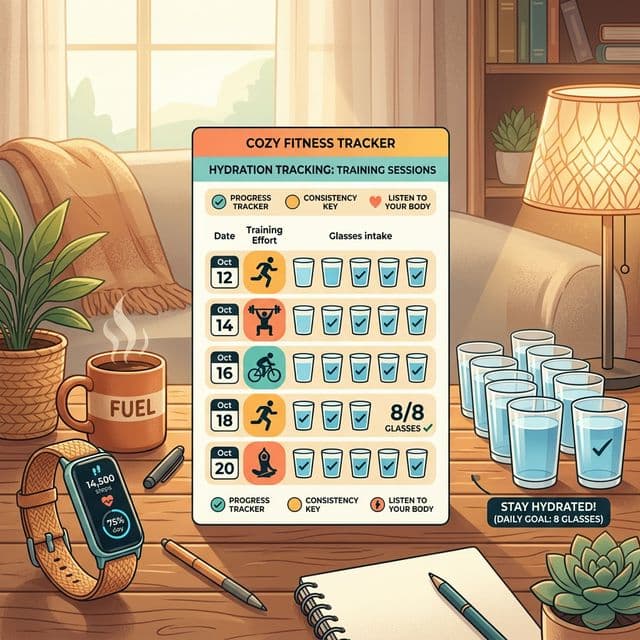
Starting exercise well hydrated is a solid performance habit. But drinking excessively before training is not automatically better. Systematic reviews of pre-exercise hyperhydration show that benefits are situation-dependent and often strongest in prolonged exercise or hot conditions, while downsides can include gastrointestinal discomfort and unnecessary body-mass gain.
The practical takeaway is to arrive hydrated, not bloated. The best plan is individualized: consider sweat rate, session duration, access to fluids, climate, and whether sodium support is needed. More fluid is not the same as smarter fluid timing.

6. The best hydration strategy is individualized and repeatable
One of the strongest applied findings is that individualized hydration plans improve performance outcomes in athletes. This makes sense because sweat losses vary widely across people, sports, temperatures, and training intensities. A generic recommendation cannot match that variability very well.
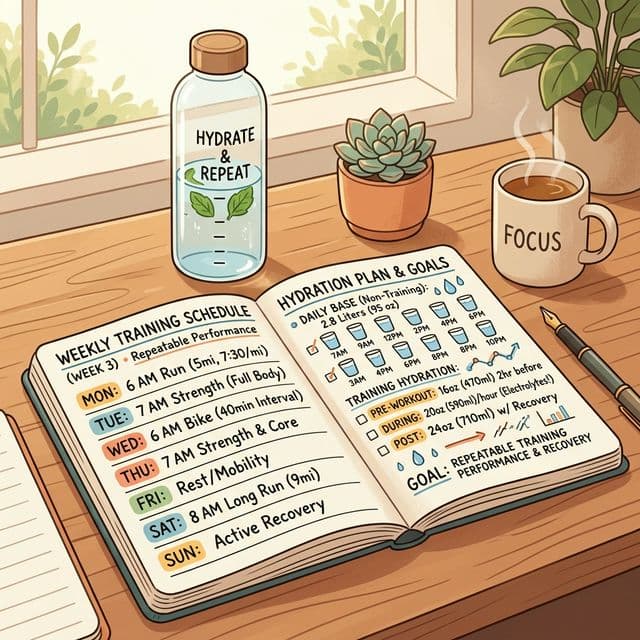
For most active adults, the winning strategy is simple: begin sessions reasonably hydrated, drink according to session demands and environment, and replace losses steadily instead of relying on one giant catch-up drink afterward. A reminder system can help because consistency before and between sessions usually matters more than heroic correction after the damage is done.
How to support exercise performance with better hydration
Start the session hydrated
Drink regularly in the hours before training so you are not trying to fix a deficit during the warm-up.
Adjust for duration and climate
Short, cool sessions usually need less active drinking than long sessions, double workouts, or hot environments.
Watch body-mass trends
If you routinely finish hard sessions much lighter, your fluid plan is probably too weak for your sweat losses.
Use sodium when sweat losses are high
During long or very sweaty sessions, fluid alone may not be enough. Replacing sodium helps reduce the overdrinking trap and supports rehydration.
Build reminders around training windows
A hydration reminder before training, between sessions, and after exercise is often more effective than hoping thirst will cover everything.
FAQ: hydration and exercise performance
Q: Does mild dehydration really reduce exercise performance?
Q: What kind of exercise is most affected by dehydration?
Q: Does dehydration affect strength training too?
Q: Is thirst enough to guide drinking during training?
Q: Should everyone use the same hydration plan?
Q: Can drinking too much water hurt performance?
Q: Is pre-exercise hyperhydration useful?
Q: What is the simplest habit that improves hydration for training?
The practical answer
Hydration and exercise performance are clearly associated, but the relationship is not all-or-nothing. Performance usually fades through rising effort, slower pace sustainability, and poorer repeatability before it turns into a dramatic failure.
That is why the smartest approach is not panic drinking. It is planned hydration: arrive ready, adjust for heat and session length, and use a repeatable routine that matches how you actually train.
Have questions? Support Center
Scientific Sources
- Maughan RJ. (2003). Impact of mild dehydration on wellness and on exercise performance. European Journal of Clinical Nutrition. Nature
- James LJ, et al. (2023). The Effect of Pre-Exercise Hyperhydration on Exercise Performance, Physiological Outcomes and Gastrointestinal Symptoms: A Systematic Review. Sports Medicine - Open. PMC
- Volterman KA, et al. (2018). Individualized hydration plans improve performance outcomes for collegiate athletes engaging in in-season training. Journal of the International Society of Sports Nutrition. Springer
- Holland JJ, et al. (2017). The Influence of Drinking Fluid on Endurance Cycling Performance: A Meta-Analysis. Sports Medicine. PubMed
- Liska D, et al. (2019). Narrative Review of Hydration and Selected Health Outcomes in the General Population. Nutrients. PMC
- Stookey JD, et al. (2024). Outcomes in Randomized Clinical Trials Testing Changes in Daily Water Intake: A Systematic Review. JAMA Network Open. JAMA Network Open
Ready when you are
Download DropWise for iPhone
Track hydration smarter with reminders, Apple Health sync, and a privacy-first flow.
By using DropWise, you agree to our Terms of Use and Privacy Policy.