Intermittent Fasting & Hydration: The Complete Guide
Fasting isn't just about when you eat—it's about how you hydrate. Learn why water is your best ally during fasting windows in 2026.


Intermittent fasting (IF) is more than just a diet; it's a physiological shift that alters how your body processes energy, manages insulin, and maintains fluid balance. While most practitioners obsess over their 'eating window' and macronutrient ratios, scientific evidence suggests that the 'fasting window' is where the real work happens—and hydration is the engine that drives it. If you've ever felt the 'fasting flu,' experienced mid-afternoon brain fog, or felt intense hunger during your fast, chances are you aren't hungry—you're dehydrated. In this 2000-word deep dive, we explore why water is your absolute best ally in the pursuit of metabolic health.
Why Intelligent Hydration is the Secret to Mastering IF
- 01Maintain high insulin sensitivity by avoiding 'hidden' caloric liquids.
- 02Buffer against 'fasting headaches' caused by rapid electrolyte depletion.
- 03Suppress ghrelin (the hunger hormone) naturally through stomach volume.
- 04Support cellular autophagy by providing the medium for waste removal.
- 05Prevent lean muscle loss by maintaining optimal intracellular pressure.
- 06Enhance cognitive clarity during the fasted state by maintaining blood volume.
The Biology of Fasting: Why Fluid Needs Skyrocket
Glycogen Depletion and Fluid Loss
Your body stores glucose in the form of glycogen in your muscles and liver. Glycogen is chemically bound to water—for every gram of glycogen you store, you store about 3 to 4 grams of water. As you enter a fasted state and your body begins to burn through these glycogen stores for energy, that water is released and excreted. This is why many people see a rapid 'weight drop' in their first few days of fasting. It's not just fat; it's water. If you don't aggressively replace this fluid, you enter a state of systemic dehydration before you've even reached your peak fat-burning window.
Insulin and Sodium Retention
Insulin is the hormone that tells your kidneys to hold onto sodium. When you fast, your insulin levels drop significantly. This is a primary goal of fasting, as it allows your body to access fat stores. However, the drop in insulin signals your kidneys to excrete sodium (natriuresis). Since water follows sodium, you lose even more fluid. This double-whammy of glycogen loss and insulin drop makes the fasted body a 'leaky bucket' for fluids and electrolytes.
Cellular Detoxification (Autophagy)
Autophagy is your body's self-cleaning mechanism, where it breaks down old and damaged cellular components. This process is highly active during prolonged fasts. However, these metabolic byproducts need to be transported out of the body through the lymphatic system and the kidneys. Without sufficient water, these 'cellular toxins' can accumulate, leading to the sluggish, irritable feeling known as the 'keto flu' or 'fasting flu'.
The Ghrelin Response
Hunger isn't a constant; it comes in waves driven by the hormone ghrelin. Ghrelin levels rise when the stomach is empty. Drinking water provides 'bulk' to the stomach, triggering mechanical receptors that signal to the brain that the stomach isn't completely empty, effectively blunting the ghrelin spike and making the fasting window significantly more manageable.
1. The Morning Kickstart (Hour 0-2)
Don't reach for coffee immediately. Your body is most dehydrated upon waking, especially if you finished your last meal 12+ hours ago. Start with 500-700ml of pure water to jumpstart your metabolism and kidney function.
Drink 500ml of room temperature water immediately upon waking.
Optional: Add a small pinch of high-quality sea salt (Himalayan or Celtic) to replace minerals lost overnight.
Wait at least 30 minutes before your first cup of black coffee or tea.
Observe your urine color; it should be light yellow, not dark or completely clear.

2. The Deep Fasting Window (Hour 4-12)
This is the 'danger zone' for productivity. As your brain switches from glucose to ketones, your focus may waver if you are dehydrated. This is where electrolyte management becomes critical.
Sip water consistently; don't 'chug' two liters at once, which can further dilute electrolytes.
Utilize unsweetened green tea—EGCG can boost the metabolic effects of your fast.
If you feel a headache, take a quarter-teaspoon of sea salt under the tongue or dissolved in water.
Keep a reusable 1L bottle nearby as a visual cue to keep drinking.

3. Pre-Meal Hydration (The Final Hour)
The biggest mistake fasters make is eating a massive meal while dehydrated. This can lead to digestive distress and poor nutrient absorption. Proper hydration prepares the gut for the incoming meal.
Drink 300ml of water 30 minutes before your first meal to prevent overeating.
Add a tablespoon of Apple Cider Vinegar to your water to support digestion and blood sugar stability.
Avoid drinking large amounts *during* the meal, as it can dilute digestive enzymes.
Focus on 'eating your water' by including high-hydration foods like cucumbers and leafy greens in your break-fast meal.
4. Integrating Smart Tracking
Consistency is harder than intensity. Measuring your intake daily ensures that you don't fall off the wagon when life gets busy. Technology is the bridge between intention and habit.
Download a dedicated tracker like Water Reminder DropWise.
Sync your data with Apple Health to see how hydration correlates with your activity.
Set specific reminders for those 'high-stress' hours when you usually forget to drink.
Use the app's statistics to identify patterns in your energy levels vs. fluid intake.

Expert Answers to Common Fasting Questions
? Does flavored water break a fast?
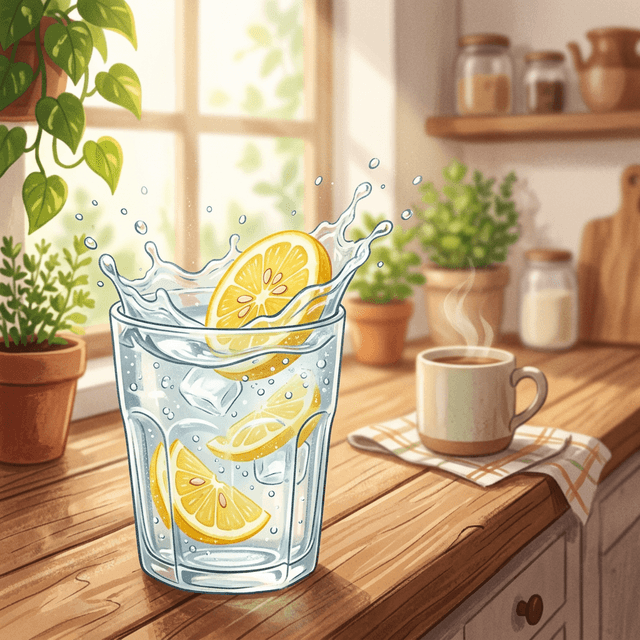
If it contains artificial sweeteners like sucralose or aspartame, it might trigger a cephalic phase insulin response in some people. Stick to lemon slices, cucumber, or mint leaves in pure water for the safest results.
? How much salt should I actually take?
During a fast longer than 16 hours, most adults benefit from 1,000 to 2,000 extra mg of sodium, depending on activity levels. Split this across the day rather than taking it all at once to avoid 'disaster pants' (osmotic diarrhea).
? Can I drink sparkling water?
Absolutely. Carbonation can actually help some people feel more full. Just ensure there are no added sugars or high-calorie flavorings.
? Will black coffee dehydrate me?
Common myth. While caffeine is a mild diuretic, the water in the coffee more than compensates for the fluid loss. However, it shouldn't be your *only* source of hydration.
? What about bone broth?
Strictly speaking, any calories break a fast. However, 'bone broth fasting' is a popular technique for those focused on gut health rather than pure autophagy. It's excellent for minerals but contains protein/collagen.
? How do I know if I'm dehydrated vs. just hungry?
The 'Water Test': When you feel a hunger pang, drink 300ml of water and wait 15 minutes. If the feeling persists, it's likely real hunger. If it vanishes, it was thirst.
? Is tap water okay?
Filter it if possible. Tap water can contain chlorine and fluoride, which, while safe in small amounts, might interfere with the optimized gut microbiome you're trying to build through fasting.
? Why do I feel dizzy when I stand up during a fast?
This is often orthostatic hypotension, caused by low blood volume. The fix is almost always more water and, more importantly, more salt.
Master the Fast, Master Your Life
Intermittent fasting is an incredible tool for longevity and weight management, but it's not a magic pill that works in a vacuum. Your body needs the right environment to flourish in a fasted state, and that environment is built on a foundation of optimal hydration. By following the scientific protocols outlined in this guide—prioritizing electrolytes, timing your intake, and using smart tools like DropWise—you will transform fasting from a struggle into a seamless part of your high-performance lifestyle. Don't just fast—fast smart.
Have questions? Support Center
Scientific Sources
Sawka MN, et al. (2007). American College of Sports Medicine position stand. Exercise and fluid replacement. Medicine & Science in Sports & Exercise. LWW
Popkin BM, D'Anci KE, Rosenberg IH. (2010). Water, hydration, and health. Nutrition Reviews. Oxford Academic
Liska D, et al. (2019). Narrative Review of Hydration and Selected Health Outcomes in the General Population. Nutrients. PMC
Stookey JD, et al. (2024). Outcomes in Randomized Clinical Trials Testing Changes in Daily Water Intake: A Systematic Review. JAMA Network Open. JAMA Network Open
Ready when you are
Download DropWise for iPhone
Track hydration smarter with reminders, Apple Health sync, and a privacy-first flow.
By using DropWise, you agree to our Terms of Use and Privacy Policy.