Dehydration and Endurance Performance in Competitive Athletes
An evidence-led guide to how dehydration changes endurance output, heat tolerance, heart-rate drift, and race-day pacing in competitive athletes.


Dehydration can erode endurance performance before a race falls apart
Competitive endurance athletes rarely wait until they are severely dehydrated to feel the cost. In many cases, the first signs are subtler: a pace that feels too expensive, a heart rate that drifts sooner than expected, slower recovery between efforts, and a race plan that becomes harder to hold together. That is why dehydration and endurance performance need to be discussed as a performance issue, not just a medical emergency.
The evidence is strongest when exercise lasts long enough for fluid losses to accumulate and when heat adds extra strain. At the same time, the literature is more nuanced than the old "never lose more than 2%" soundbite. Competitive athletes benefit most from individualized hydration strategies that match sweat rate, environment, race duration, and practical opportunities to drink.
Key takeaways
- ✦Endurance performance is one of the most hydration-sensitive outcomes in sports science.
- ✦Body-mass losses around 1 to 2% often coincide with rising perceived exertion and reduced sustainability.
- ✦Heat and humidity amplify the cardiovascular and thermal cost of dehydration.
- ✦Some self-paced cycling data look mixed, so context matters more than one rigid rule.
- ✦Starting a race already underhydrated is common in competitive athletes and raises risk early.
- ✦Personalized hydration plans outperform generic drinking advice for endurance settings.
1. Why dehydration matters more in endurance sports
Endurance events depend on stable blood volume, temperature control, and the ability to keep delivering energy to working muscle over time. When dehydration builds, plasma volume falls, heart rate rises to compensate, and the same pace becomes more physiologically costly. The athlete may still be moving well, but the margin for error shrinks.
That is why dehydration affects endurance performance more consistently than many short, single-effort tasks. The longer the event lasts and the less access an athlete has to timely fluid replacement, the more likely the performance cost becomes visible in pace, repeatability, or time to exhaustion.
2. The threshold is practical, not dramatic
A large part of the literature uses body-mass change to estimate fluid loss during exercise. In real terms, the important takeaway is not a magical cutoff but the fact that relatively small deficits can already matter. Around 1 to 2% body-mass loss is often where perceived effort rises, thermal strain increases, and sustainable output starts to get harder to protect.
For competitive athletes, that threshold can arrive quickly. A hard warm-up, a long pre-race routine, travel stress, limited access to fluids, or starting the session slightly underhydrated can all push an athlete into the performance-cost zone before the main work even begins.

3. Heat makes the same dehydration level more expensive
Environmental conditions change the equation. In hot or humid settings, sweat losses accelerate while the body also has to work harder to control temperature. That compounds the cost of dehydration: core temperature rises faster, cardiovascular strain grows, and even well-trained athletes can find familiar race intensities far less sustainable.
This matters especially in competitive settings because endurance athletes often pace according to expected sensations. Heat can distort those sensations early. A hydration plan that feels adequate in cool indoor training may be too conservative on race day if the event is hot, exposed, or poorly ventilated.

4. Why some endurance studies look mixed
One reason hydration debates stay alive is that not every protocol shows the same outcome. Some self-paced cycling studies and meta-analyses suggest that performance effects can vary depending on exercise mode, environment, access to fluids, and whether the athlete can modify pace during the effort. That does not mean hydration is unimportant; it means endurance performance is context-dependent.
For competitive athletes, the practical lesson is to avoid overgeneralizing from one laboratory setup. Time trial cycling in controlled conditions is not identical to road racing, mountain biking, marathon running, or repeated hard efforts in the heat. The broader literature still supports the idea that dehydration becomes increasingly costly as duration and thermal load climb.

5. Competitive athletes often start too low on fluids
Field data show that athletes do not always arrive at competition in a fully hydrated state. That matters because a race or long training session does not start at zero fluid loss. If an athlete begins slightly behind, normal sweat losses move them into a more stressful zone sooner, especially in hot environments or longer events.
This is one reason race-day hydration should not be treated as a last-minute bottle decision. Competitive athletes benefit from treating pre-session hydration, in-session drinking opportunities, and post-session recovery as one continuous strategy rather than three disconnected habits.
6. The best strategy is individualized and rehearsed
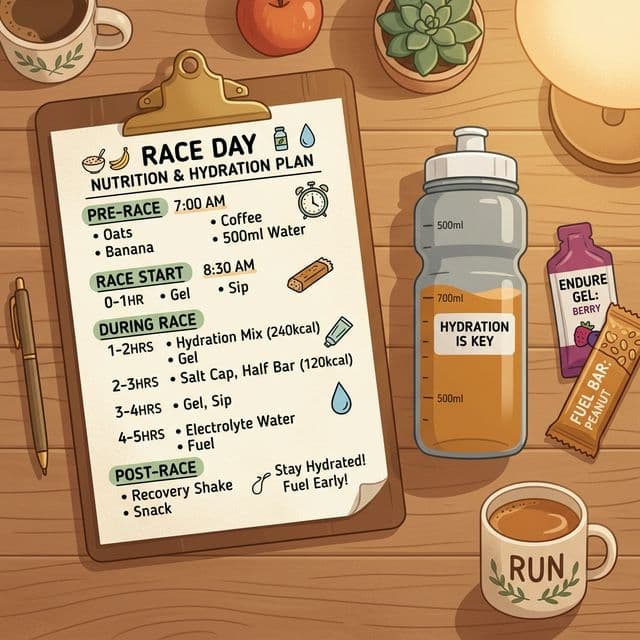
The strongest practical recommendations in the literature point toward individualized hydration plans. Sweat rate, sodium losses, event duration, body size, climate, and access to aid stations or bottles all shape what works. Competitive athletes do better when hydration is planned in training, tested under realistic conditions, and refined over time.
That also means avoiding extremes. Drinking too little can push performance down, but drinking too much without respecting sodium balance creates its own risks. The goal is not maximal fluid intake. The goal is to arrive ready, limit unnecessary loss during the session, and rehydrate well enough to protect the next training or racing demand.

How competitive athletes can protect endurance performance
Start with a pre-session routine
Drink steadily in the hours before training or racing so you are not beginning the event already behind on fluids.
Measure sweat losses in real conditions
Use body-mass changes before and after key sessions to estimate how much fluid you are actually losing in your sport and climate.
Adjust for heat, humidity, and duration
Longer events and hotter conditions almost always require a more deliberate hydration plan than short, cool sessions.
Include sodium when losses are high
If sweat losses are heavy or events are long, sodium support helps rehydration and reduces the chance of overdrinking plain water.
Rehearse race-day drinking in training
Test bottles, aid-station timing, and fluid volumes before competition so hydration does not become an improvisation problem on race day.
FAQ: dehydration and endurance performance
Q: Does dehydration really reduce endurance performance in trained athletes?
Q: Is the 2% body-mass rule absolute?
Q: Why do some cycling studies show mixed results?
Q: Are competitive athletes often underhydrated before the start?
Q: Does heat make dehydration more dangerous for performance?
Q: Should endurance athletes drink as much as possible?
Q: What is the best way to build a hydration plan?
Q: Can hydration strategy improve performance even if fitness stays the same?
The practical answer
Dehydration and endurance performance are clearly linked in competitive athletes, especially when races are long, hot, or logistically difficult to fuel and hydrate well. The effect is not always dramatic at first. More often, it appears as a rising cost: higher effort, earlier cardiovascular drift, and less ability to hold target pace.
That is why the best hydration strategy is not a generic drinking rule. It is an individualized, rehearsed plan built from training data and race realities. When athletes start well hydrated, adapt to heat, and match fluid intake to real losses, they give their endurance performance a better chance to hold up when it matters.
Have questions? Support Center
Scientific Sources
- Sawka MN, et al. (2007). American College of Sports Medicine position stand. Exercise and fluid replacement. Medicine & Science in Sports & Exercise. LWW
- Maughan RJ. (2003). Impact of mild dehydration on wellness and on exercise performance. European Journal of Clinical Nutrition. Nature
- Maughan RJ, Shirreffs SM. (2008). Development of individual hydration strategies for athletes. International Journal of Sport Nutrition and Exercise Metabolism. PubMed
- Holland JJ, et al. (2017). The Influence of Drinking Fluid on Endurance Cycling Performance: A Meta-Analysis. Sports Medicine. PubMed
- James LJ, et al. (2023). The Effect of Pre-Exercise Hyperhydration on Exercise Performance, Physiological Outcomes and Gastrointestinal Symptoms: A Systematic Review. Sports Medicine - Open. PMC
- de Moura RC, et al. (2025). Hydration assessment and physical performance of mountain bike cyclists in competition in a hot environment. Scientific Reports. PubMed
Ready when you are
Download DropWise for iPhone
Track hydration smarter with reminders, Apple Health sync, and a privacy-first flow.
By using DropWise, you agree to our Terms of Use and Privacy Policy.